Saikyo Yaki (Roasted Sweet Miso Salmon) Recipe
Introduction
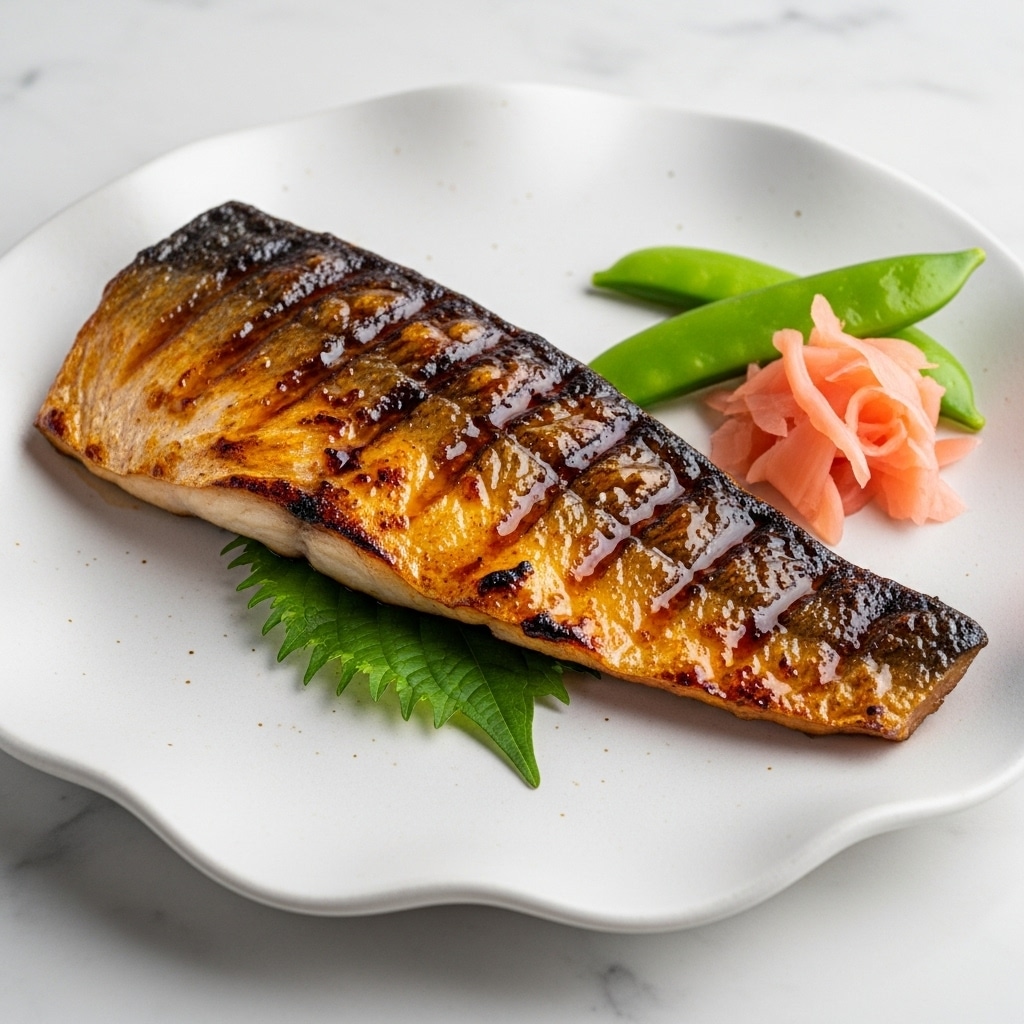
Saikyo Yaki is a traditional Japanese dish featuring salmon marinated in a sweet Saikyo miso paste. The result is tender, flavorful fish with a perfectly caramelized glaze that’s both simple and elegant to prepare at home.
Ingredients
- 600 gram Salmon
- 500 gram Saikyo Miso Paste
- 125 milliliter Mirin
- 4 Snow Peas
- 3 tablespoon Pickled Ginger
- Salt to taste
Instructions
- Step 1: If the salmon has scales on the skin, carefully remove them with a knife. Skip this step if your salmon is descaled or skinless.
- Step 2: Lightly salt the salmon on all sides to your taste and leave it skin side down for 15 minutes to reduce any fishy odor.
- Step 3: While the salmon rests, combine the Saikyo miso paste and mirin in a bowl. Add the mirin gradually, mixing well until fully incorporated.
- Step 4: After 15 minutes, wipe off any moisture from the salmon’s surface and slice it diagonally into portions of about 100 grams each.
- Step 5: Spread half of the miso mixture evenly in the bottom of a flat cooking tray. Arrange the salmon pieces on top without overlapping.
- Step 6: Cover the salmon completely with the remaining miso mixture. Cover the tray with plastic wrap or foil and refrigerate for at least overnight, ideally 2–3 days for better flavor.
- Step 7: Preheat your oven to 320°F (160°C). If your oven has a broiler function, turn it on.
- Step 8: Remove the salmon from the marinade, scraping off as much miso as possible. Use paper towels to wipe off any remaining marinade. Line a baking tray with non-stick baking paper and place the salmon pieces skin side up.
- Step 9: Cook or broil the salmon for 7 minutes at 320°F (160°C).
- Step 10: Increase the oven temperature to 420°F (220°C) and cook for an additional 5 minutes to caramelize the surface.
- Step 11: While the salmon cooks, bring water to a boil in a small pan. Blanch the snow peas for 30 seconds, then drain and pat dry with paper towels. Cut them diagonally in half and serve alongside the salmon.
Tips & Variations
- For deeper flavor, marinate the salmon for 2 to 3 days instead of overnight.
- You can substitute snow peas with blanched asparagus or green beans for variety.
- Serve with steamed rice and pickled ginger to balance the sweetness of the miso glaze.
- Be sure to wipe off excess miso before cooking to prevent burning and bitter taste.
Storage
Store leftover cooked salmon in an airtight container in the refrigerator for up to 2 days. Reheat gently in a low oven or microwave to preserve its tender texture. The marinated salmon before cooking can be kept covered in the fridge for up to 3 days but should be cooked within that time for best quality.
How to Serve
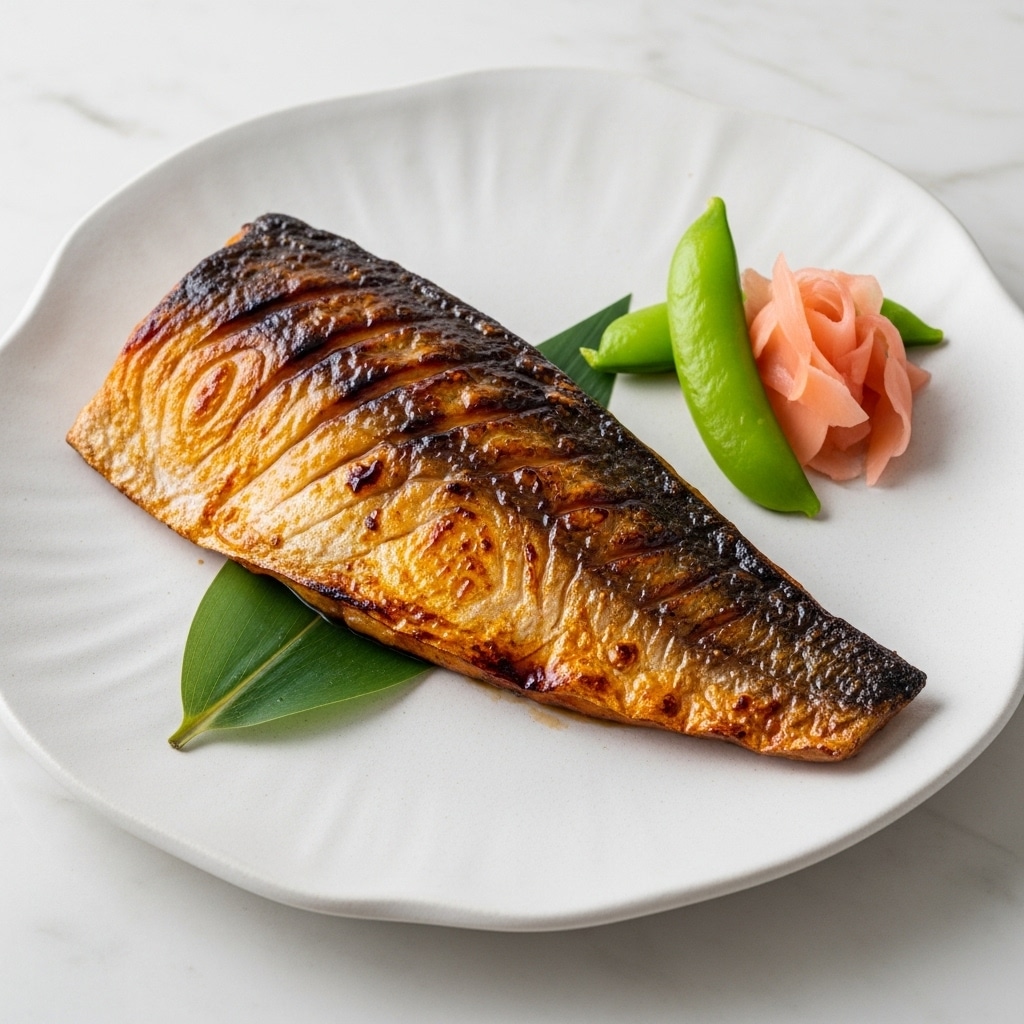
Serve this delicious recipe with your favorite sides.
FAQs
Can I use other types of fish for Saikyo Yaki?
Yes, you can use other firm fish like cod, black cod, or even cod roe. The sweet miso marinade pairs well with many white fish varieties.
Why do I need to wipe off the miso before cooking?
Removing excess miso helps prevent it from burning in the oven, which can cause a bitter taste and affect the texture of the salmon.
Print
Saikyo Yaki (Roasted Sweet Miso Salmon) Recipe
- Total Time: Overnight marinating (minimum 12 hours) + 32 minutes (prep and cooking)
- Yield: 4 servings 1x
Description
Saikyo Yaki is a traditional Japanese dish featuring salmon marinated in a sweet Saikyo miso paste blend, then roasted to perfection. The marinade’s subtle umami sweetness enhances the tender fish, creating a flavorful and aromatic meal. Served with lightly boiled snow peas and pickled ginger, this recipe offers a delicate balance of flavors and textures, perfect for a comforting yet elegant dinner.
Ingredients
Salmon
- 600 gram Salmon (preferably skin-on, descaled if not removed)
- Salt, to taste
Marinade
- 500 gram Saikyo Miso Paste
- 125 milliliter Mirin
Accompaniments
- 4 Snow Peas
- 3 tablespoon Pickled Ginger
Instructions
- Prepare the Salmon: If your salmon still has scales, carefully remove them with a knife or fish scaler. Lightly salt the salmon block on all sides and place it skin side down. Let it rest for 15 minutes to reduce any fishy odor.
- Make the Miso Marinade: In a bowl, add 500 grams Saikyo miso paste. Gradually pour in the 125 milliliters mirin, mixing thoroughly after each addition until fully incorporated to create a smooth marinade.
- Slice the Salmon: After 15 minutes resting, you’ll notice moisture on the surface of the salmon. Wipe it off using a paper towel. Then, slice the salmon diagonally into approximately 100 gram portions each.
- Marinate the Salmon: Spread half of the miso marinade evenly on the bottom of a flat cooking tray. Arrange the salmon slices without overlapping atop the marinade base. Cover the salmon evenly with the remaining miso marinade, ensuring each piece is fully coated. Cover the tray with plastic wrap or foil and refrigerate for at least overnight, ideally 2-3 days for maximum flavor.
- Preheat the Oven: When ready to cook, preheat your oven to 320°F (160°C). If your oven has a broiler function, turn it on as this will help with caramelization.
- Prepare for Baking: Remove the salmon from the marinade. Scrape off as much miso paste as possible and pat the fillets gently with paper towels to remove any remaining marinade residue. Line a baking tray with non-stick baking paper and place the salmon slices skin side up.
- Roast the Salmon: Bake or broil the salmon at 320°F (160°C) for 7 minutes. Then, increase the oven temperature to 420°F (220°C) and continue cooking for an additional 5 minutes to develop a lovely roasted finish.
- Prepare Snow Peas: While the salmon is cooking, bring a small pan of water to a boil. Blanch the snow peas for 30 seconds, then remove and dry them on paper towels. Slice the snow peas diagonally in half for serving.
- Serve: Plate the roasted salmon with the blanched snow peas and a side of pickled ginger. Enjoy your traditional Saikyo Yaki with a fragrant balance of miso sweetness and perfectly cooked salmon.
Notes
- Marinating the salmon for 2-3 days intensifies the flavor, but overnight marinating is acceptable for a quicker meal.
- Removing excess miso before baking prevents burning and the marinade’s saltiness overwhelming the fish.
- Using skin-on salmon helps hold the fillets together during cooking and adds crispiness when roasted.
- Snow peas add a fresh, crisp contrast but can be substituted with sugar snap peas or blanched green beans.
- Adjust salt cautiously since Saikyo miso is already flavorful and salty.
- Prep Time: 20 minutes
- Cook Time: 12 minutes
- Category: Main Dish
- Method: Baking
- Cuisine: Japanese
Keywords: Saikyo Yaki, Japanese salmon, miso marinade, roasted salmon, Saikyo miso, sweet miso salmon, traditional Japanese recipe